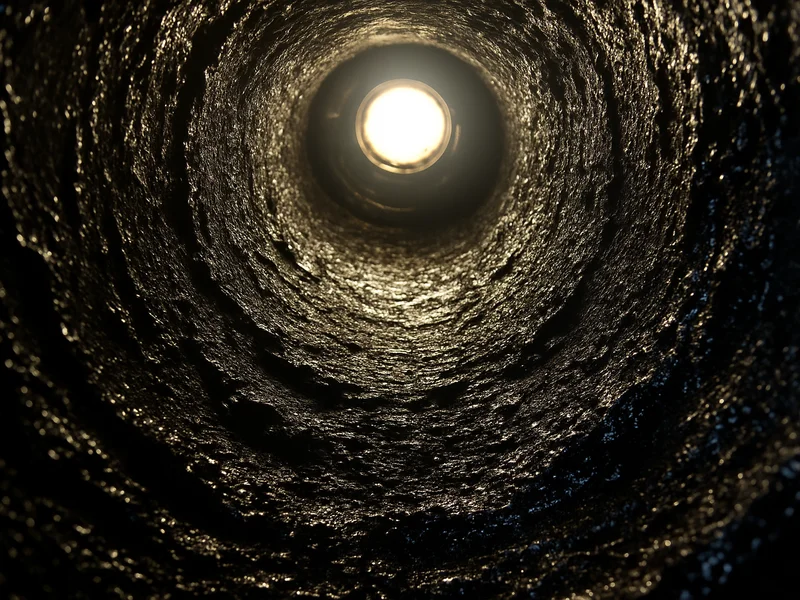
Creosote out, everything documented, and no soot anywhere it shouldn't be.
Tell us roughly how many cords you burned and send a photo of the firebox. Often that is enough for us to say wait a year.
Get a Free QuoteA sweep is two jobs wearing one name. The visible half removes creosote and soot from the flue, smoke shelf and firebox. The half that matters is what the brush uncovers: cracked tiles, a failed crown, a liner that stopped being continuous during some renovation nobody documented. Both happen on every visit, and the inspection is not an upsell bolted onto the cleaning.
We work top-down with rotary rods where the roof allows it, sealing the fireplace opening and running a HEPA vacuum throughout so the debris ends up in the container rather than on your hearth rug. On steep metal roofs under snow load - common enough here - we say so and work from below instead of pretending the result is identical.
| Job | Typical price |
|---|---|
| Single flue, standard access | $190 - $250 |
| Steep pitch or two-story access | $250 - $320 |
| Large stone chimney, timber-frame home | $280 - $380 |
| Second flue, same visit | +$90 - $140 |
| Wood stove with connector pipe removed and cleaned | +$40 - $70 |
The assumption most owners carry is that a chimney used less needs less attention. In the Flathead the opposite is closer to true, and the mechanism is condensation rather than volume.
A flue in a steadily heated house reaches operating temperature and stays there through the season. Moisture from combustion leaves as vapour. A flue in a house occupied six weekends a winter starts cold every single time, runs through a long slow warm-up during which exhaust is cool enough to condense on the liner wall, and then cools completely again for weeks. Every visit is a full condensation cycle. The deposits that leaves are the sticky second-stage kind, which is what actually sustains a chimney fire, rather than the light flaky first-stage kind that a hot steady burn produces.
Add the fuel question. Second homes tend to burn whatever firewood was stacked by the previous owner or bought by the cord without much scrutiny. Wood over about twenty percent moisture puts a large share of the fire's energy into boiling off water instead of making heat, which lowers flue temperature further and accelerates the same problem. If your cabin's woodpile has been sitting under a tarp against the north wall for three years, it is probably wetter than wood that was split and stacked in the open last spring.
Level 1 is the annual inspection defined by NFPA 211 - readily accessible parts of the chimney, structure and connected appliance, checked for soundness, blockage and combustible deposits. Included with every sweep, no separate charge.
You usually cannot tell from the firebox. It looks like a hard shiny black coating higher up, and it comes from wet wood or from stoves damped down overnight. A camera finds it in two minutes and we will show you the footage.
Yes. Insulated class-A needs a gentler brush than masonry, and pellet appliances need the venting and the appliance itself done. Both are normal around Columbia Falls.
Then we work from below and tell you what that lets us see and what it does not. We are not going to walk a snow-loaded metal roof to save an hour.
Same price across Kalispell, Whitefish and Columbia Falls.