Glacier Gate Chimney
Call Now Get a Quote
Glacier Gate Chimney
Home Chimney SweepingInspectionsDryer VentsReliningKalispellWhitefishColumbia FallsAbout Call (406) 510-3352
Home/Chimney Relining

Chimney Relining in the Flathead Valley

Usually the thing a Level 2 finds - and the thing that decides whether a sale closes on time.

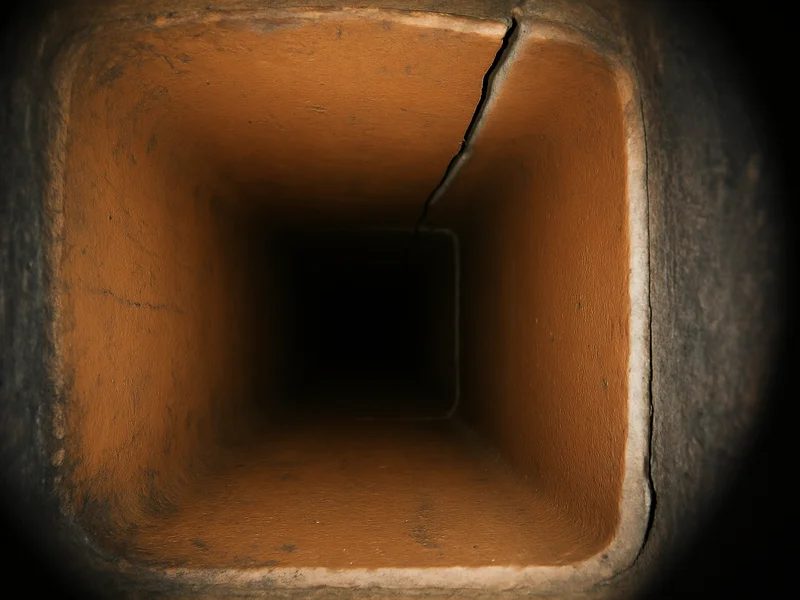
Cracked clay tile liner photographed by camera inside a flue

Found on an inspection?

Send us the footage and the report, whoever wrote them. We will tell you what it actually shows and what the fix costs, free, before you commit to anything.

Get a Free Quote

Relining is the most expensive job on this website, and we are also the outfit that runs the camera that finds the need for it. That is an obvious conflict and we would rather put it at the top of the page than let you notice it later.

So, the rule we work to: inspections and relining are quoted separately, and there is no obligation to use us for the work. You get the raw footage, not a summary. Take it to anyone. If a second opinion says the flue is fine, that is a useful outcome and it costs you a phone call.

The reason it comes up so often here is structural rather than commercial. A Level 2 inspection is required whenever a property is sold or transferred, and a cracked or missing liner is the single most common finding on that inspection that has a real number attached to it. It turns up in the middle of a transaction, with a closing date, and both sides need to know quickly what is real.

What's included

  • Flue measured at the top and at the appliance, not estimated from outside the stack
  • Camera run before and after, footage handed over both times
  • 316Ti or 304 stainless liner sized to the appliance, insulated where clearances require it
  • Damaged clay tile removed where it has to come out before the liner goes in
  • Top plate, storm collar and cap fitted and sealed; connector and tee made up properly
  • Written spec of what went in - liner grade, diameter, insulation - for your file or your buyer
JobTypical price
Insulated stainless liner, straight single flue$1,800 - $3,200
Offsets, tall stack, or tile breakout required$3,200 - $5,000
Second flue in the same stack, same visit+$900 - $1,600
Pellet or gas appliance liner, small diameter$900 - $1,800
Camera re-inspection after the workincluded

What Actually Drives Relining in This Valley

Three situations account for nearly all of it, and only one of them is damage.

The sale. A Level 2 goes in under contract, the camera finds tile cracked through or joints open, and suddenly there is a five-figure question sitting between buyer and seller with a deadline on it. Neither side wants a number invented on the spot. What helps is footage that shows the specific defect, a written scope, and a price that holds - so the parties can argue about who pays rather than about whether it is real.

The insert. A great many valley homes have a masonry fireplace built with a 12 by 12 clay flue, correct for the open fire it was designed around, into which somebody later fitted a wood insert with a six-inch collar. The flue is now several times the cross-section the appliance needs. Exhaust cools, condenses and glazes, and the stove never drafts the way its manual describes. Nothing is broken. It is a sizing problem, and a correctly sized insulated liner fixes the draft and the creosote rate together.

Freeze-thaw working from the crown down. The Flathead runs a long shoulder season of daily freeze and thaw rather than one deep freeze. Water that gets past a cracked crown sits between the tiles and levers the joints wider on every cycle. Sealing the crown stops the water arriving. It does not repair tile that has already split, and nothing applied from the outside reaches it.

Worth naming what is not on that list: a sound clay flue serving the open fireplace it was sized for. That does not need lining, and if somebody has told you otherwise we will look at the footage and say so.

Common Questions

An inspection says my liner is cracked. Do I have to believe it?

Not without seeing it. Ask for the raw camera footage rather than a written summary - any inspection worth paying for produces video, and a genuine crack or open joint is unmistakable on screen. If the footage is not offered, that itself is the answer. We will review someone else's footage for nothing and tell you what it shows.

We are under contract and closing in three weeks. Is that enough time?

Usually yes for a straightforward stainless liner - the work itself is typically one day once materials are here. What eats the calendar is deciding who pays. Get the scope and the firm number in front of both agents early and the rest generally fits.

Who pays for it, buyer or seller?

That is a negotiation and we deliberately stay out of it. What we supply is footage, a written scope and a price that does not move, so the two sides are arguing about the same facts. We will not tell either party what the other should accept.

Is a cracked tile actually dangerous or is it paperwork?

It is real. The liner's only job is keeping flue gas and heat away from the framing behind the masonry, which is often a couple of inches away. A cracked tile or an open joint removes that separation. Whether it is urgent depends on the appliance and how hard it is run - we will say which yours is.

Stainless or cast-in-place?

Stainless for most jobs here. It is faster, it can be replaced later, and insulated stainless handles this valley's freeze-thaw well. Cast-in-place suits badly deteriorated masonry that needs structural help too, but it costs more, takes longer and is permanent.

Get a firm number on the liner

Send the footage and the report - ours or anyone else's - and we will come back with a scope and a price you can put in front of the other side.

Call (406) 510-3352 Get a Quote